
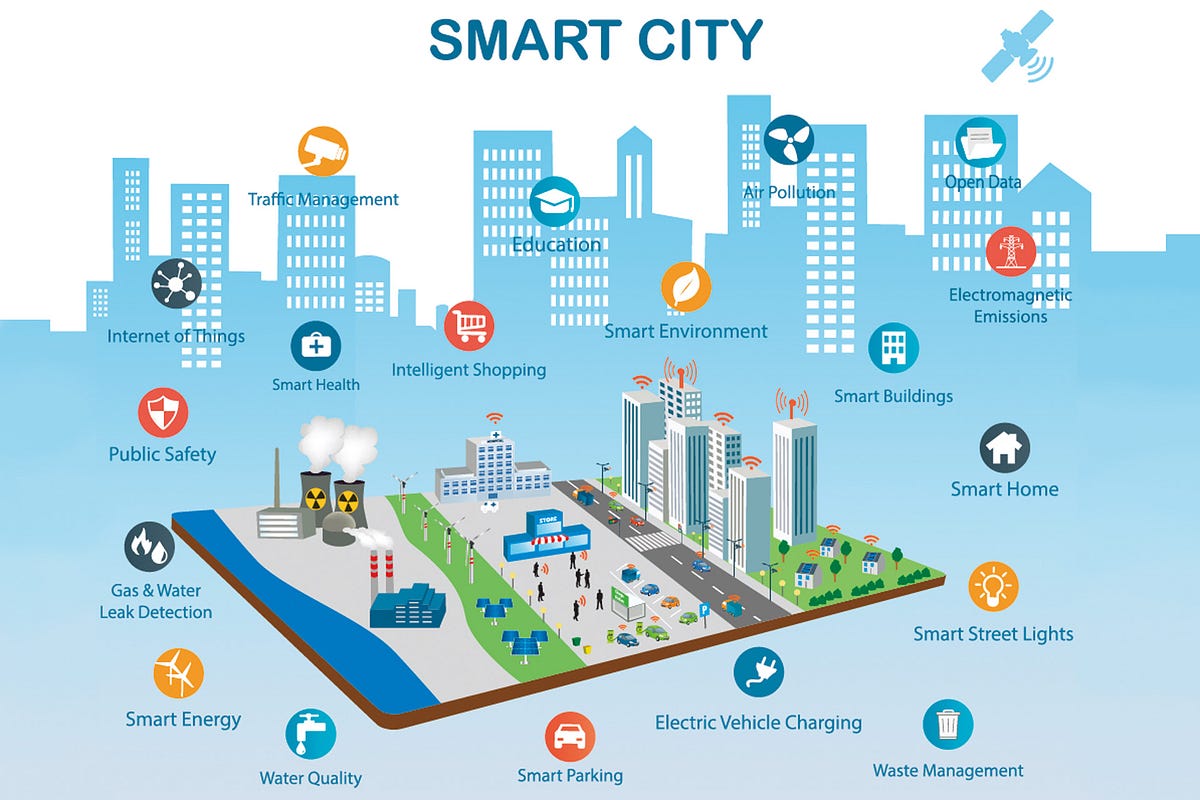
Cities around the world are facing increasing pressure as populations grow and infrastructure ages. In response, many local governments have begun investing in smart technologies designed to improve transportation, public safety, energy efficiency, and environmental sustainability.
One of the biggest priorities is modernizing traffic systems. Smart traffic lights can analyze vehicle flow in real time and adjust signal timing to reduce congestion. Public transportation networks are also becoming more efficient through GPS tracking, digital ticketing, and predictive maintenance systems that reduce service interruptions.
Energy management has become another key focus. Smart electrical grids allow utility providers to monitor demand more accurately, helping reduce waste while supporting renewable energy sources such as solar and wind power. Many cities are also replacing traditional streetlights with LED lighting connected to remote monitoring systems, reducing both maintenance costs and electricity consumption.
Environmental monitoring is another growing area. Sensors placed throughout urban areas can measure air quality, noise levels, and weather conditions, providing valuable data for city planners and emergency services. This information helps officials respond more quickly to pollution events, severe weather, and other public safety concerns.
While these projects require significant investment, supporters argue that long-term savings and improved quality of life outweigh the initial costs. Critics, however, point to concerns over data privacy, cybersecurity, and unequal access to technology across different communities.
Experts believe that successful smart city initiatives depend not only on advanced technology but also on transparent governance and public engagement. As more cities adopt digital infrastructure, balancing innovation with security and accessibility will remain a major challenge for policymakers worldwide.