
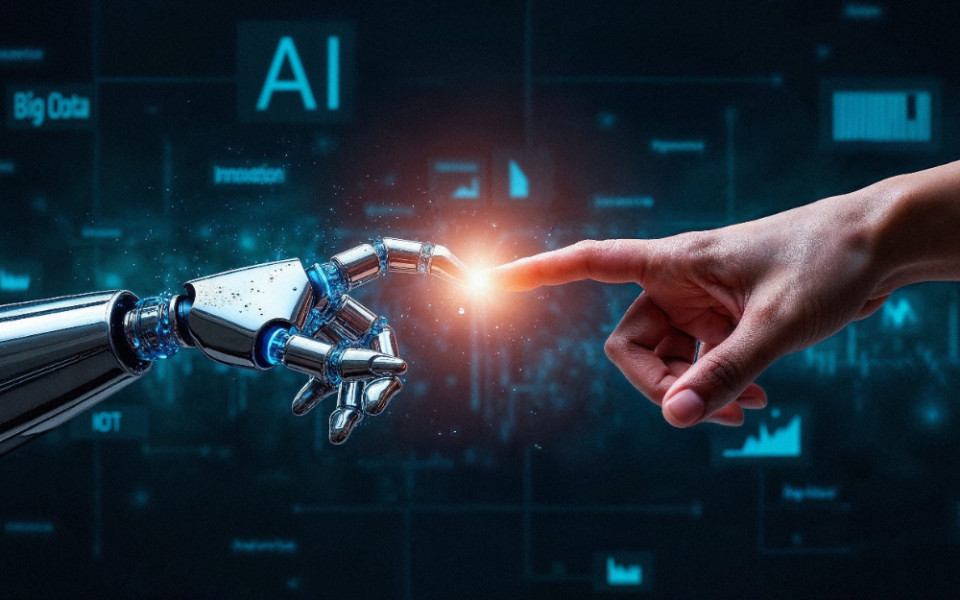
Artificial intelligence continues to reshape industries by improving efficiency, supporting decision-making, and enabling new products and services. Organizations across healthcare, finance, manufacturing, education, and transportation are exploring practical applications of AI to increase productivity and reduce operational costs.
Machine learning systems can analyze large volumes of data far more quickly than traditional methods. Businesses use these capabilities to forecast demand, detect fraud, optimize supply chains, and personalize customer experiences. AI-powered assistants also help employees automate routine administrative tasks, allowing them to spend more time on creative and strategic work.
Software development has experienced significant changes as AI tools assist programmers with writing code, identifying errors, and generating documentation. While these systems accelerate development, experienced engineers continue to review outputs to ensure quality, security, and compliance with project requirements.
Despite rapid progress, experts emphasize that responsible AI development remains essential. Organizations are working to address issues related to bias, transparency, privacy, and accountability. Governments and industry groups are also discussing regulations that encourage innovation while protecting consumers and maintaining public trust.
Education systems are adapting by introducing AI literacy programs that teach students how intelligent systems work and how they should be used responsibly. Employers increasingly value professionals who combine technical knowledge with critical thinking and ethical decision-making.
Although AI is unlikely to replace every human role, it is expected to transform the nature of many jobs. Companies that invest in employee training and responsible implementation are likely to gain the greatest benefits while minimizing risks associated with emerging technologies.